Evidence HubWhat Works Resources
- You are here:
-
Evidence Hub

- What Works

What Works

This flyer presents key findings of research undertaken by ISSER in collaboration with National University of Ireland, Galway, International Center for Research on Women, and Ipsos MORI with funding from UK Department for International Development. The research design includes nationally representative survey of 2002 women aged 18-60 across the 10 regions of Ghana, qualitative research including focus group discussions, in-depth interviews, and key informant interviews, and survey of 805 employees (391 female and 414 male employees) across 100 businesses in Accra and Kumasi.
How ordinary people can heal trauma and transform mental health care
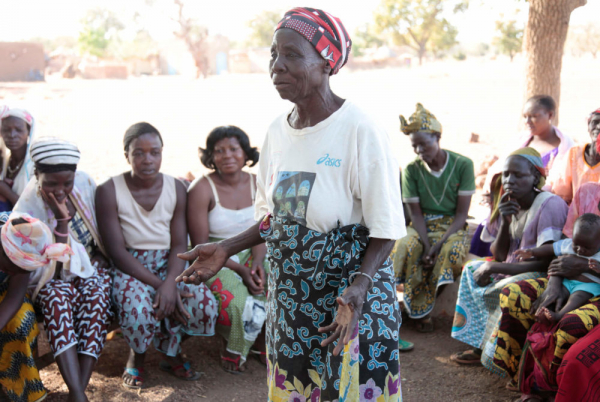
The global North can learn from the use of "lay counsellors" in poorer countries
Every year, the US spends twice as much money on Halloween costumes for its pets than developing countries receive in aid for mental health care.
Demand for mental health services outstrips supply in almost every country across the world, but in developing countries — particularly those wracked by conflict — the service gap looks more like a chasm.
Published by Apolitical, read the full article here
Exploring young women’s constructions of love and strategies to navigate violent relationships in South African informal settlements


