Evidence HubWhat Works Resources
- You are here:
-
Evidence Hub

- What Works

What Works
What Works to Prevent VAWG: Research and Innovation Programme - Thematic Paper 1: Research
This thematic overview is one of three papers that form part of the outputs for the independent evaluation of the ‘What Works to end Violence against Women and Girls’ research programme. What Works is DFID’s flagship VAWG knowledge generation programme (WW-VAWG), and it is divided into three components global programme, conflict and crises, costs of violence.1This paper is intended to draw out the important lessons that have emerged across these components in relation to research design, data collection, ethical protocols, data analysis and the identification of key findings. In particular, it seeks to better understand the legacy of the first WW-VAWG programme in research terms, and to be realistic in presenting the challenges and the key lessons learnt. Appreciating the reach and significance of the research and where it leaves us is important not just for the global movement to end VAWG but also in terms of informing where the next phase of the programme needs to focus its efforts.
What Works to Prevent VAWG: Research and Innovation Programme - Thematic Paper 2: Research Uptake
This is Thematic Paper 2 in a series of papers being produced by the Evaluation Team of the DFID-funded What Works to Prevent Violence Against Women and Girls (WW-VAWG) Research and Innovation Fund as the portfolio of evaluation activities draws to a close. The WW-VAWG is a multi-year, multi-component research and evidence programme focused on identifying ways to eliminate VAWG.
What Works to Prevent VAWG: Research and Innovation Programme - Thematic Paper 3: Innovation
This is Thematic Paper 3 in a series of papers being produced by the Independent Evaluation (IE) Team of the DFID-funded What Works to Prevent Violence Against Women and Girls (WW-VAWG) Research and Innovation Fund, as the portfolio of evaluation activities draws to a close. The WW-VAWG is a multi-year, multi-component research and evidence programme focused on identifying ways to eliminate VAWG.
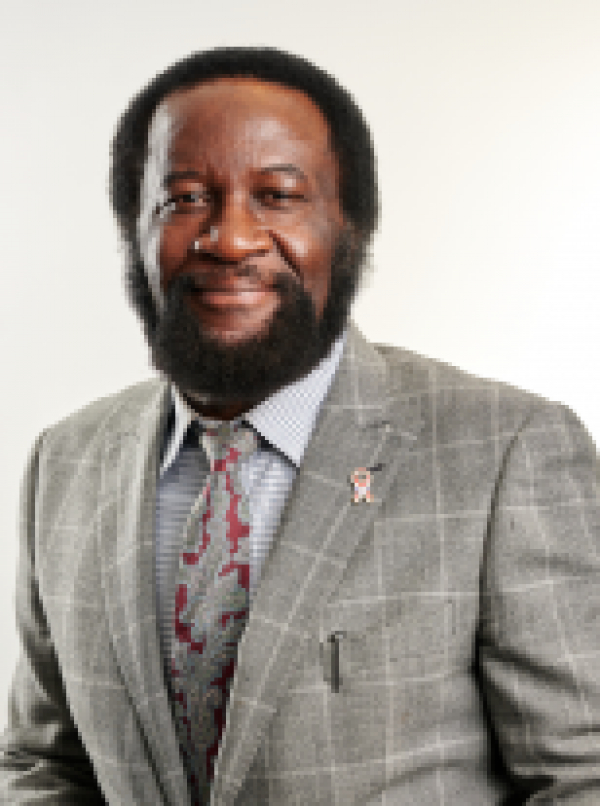
Michael Mbizvo
Michael Mbizvo
Senior Associate & Zambia Country Director
Michael Mbizvo is director of the Population Council’s office in Zambia and a senior associate in the Reproductive Health program. Mbizvo provides strategic direction and technical oversight to the Council’s research initiatives to advance reproductive health, including family planning services; HIV prevention, care, and services; gender-based violence and adolescent sexual and reproductive health programs and policies in Zambia.
ECONOMIC & SOCIAL COSTS OF VAWG

This evidence brief presents key findings about the impact of VAWG on national economies and society in Ghana, South Sudan and Pakistan. It demonstrates that VAWG causes a drag on economic activity at the level of individuals, families, businesses and national economies. This economic drag is the cost that governments incur by failing to invest in the prevention and prosecution of VAWG and the protection of victims and survivors. Further, VAWG impedes important activities for social reproduction typically performed by women, including caring for others, sustaining relationships and networks, and participating in a wide range of community, social and political activities, and thus impacts on women’s empowerment and capabilities.
Andrew Gibbs, Kristin Dunkle, Leane Ramsoomar, Samantha Willan, Nwabisa Jama Shai, Sangeeta Chatterji, Ruchira Naved & Rachel Jewkes (2020) New learnings on drivers of men’s physical and/or sexual violence against their female partners, and women’s experiences of this, and the implications for prevention interventions, Global Health Action, 13:1, 1739845, DOI: 10.1080/16549716.2020.1739845
Listen to global experts at the culmination of UKAID’s ground-breaking What Works to Prevent VAWG
Impact of the Change Starts at Home Trial on Women’s experience of intimate partner violence in Nepal
Clark, C. J., Shrestha, B., Ferguson, G., Shrestha, P. N., Calvert, C., Gupta, J., ... & Oakes, J. M. (2020). Impact of the Change Starts at Home Trial on Women's experience of intimate partner violence in Nepal. SSM-Population Health, 10, 100530.
Gibbs, A., Washington, L., Abdelatif, N., Chirwa, E., Willan, S., Shai, N., ... & Jewkes, R. (2020). Stepping Stones and Creating Futures intervention to prevent intimate partner violence among young people: cluster randomized controlled trial. Journal of Adolescent Health, 66(3), 323-335.