Evidence HubWhat Works Resources
- You are here:
-
Evidence Hub

- What Works

What Works
Gulina’s story

Zindagii Shoista: Living with Dignity, Tajikistan
Gulina* is a young woman from Tajikistan. She was married at an early age to Zafar*, a labour migrant, and lives with her extended family, as is tradition in the region.
Amanda finds her voice

Stepping Stones Creating Futures, South Africa.
When *Amanda looks around the community she grew up in, she does not see progress; instead, she sees high unemployment, teenage pregnancy, crime and many young women living in social isolation. Amanda is a 25-year-old woman from an informal settlement in South Africa. There are little to no employment opportunities in the community she lives in, or resources that could help her progress in life, which makes her feel, discouraged. The average past month earnings in the community where she lives are R169 (approx. 12 USD). Amanda describes herself as a person who is quiet, without any confidence and with a fear of doing anything wrong. She says this has made her vulnerable to many things growing up such as, having abusive and controlling boyfriends who offered her financial support on condition that she never challenged them. For Amanda, she was taught, from an early age that men are to be respected and feared and that they were the head of the family. Even if there were aspects in her relationship that she was not happy with, she held on to the belief that the man is God to you and you should never disagree with him.
What Works is backing UNiTE’s LEAVE NO ONE BEHIND campaign across 16 Days of Activism
Keep an eye on our website for blogs and news from our grantees, and every day across the 16 Days, we will be publishing a new impact story of change, stories from people whose lives has been positively impacted through the work we are doing in the field. You can also follow our twitter feed @WhatWorksVAWG and keep an eye on our Facebook too. So here’s to 16 Days of Activism and to leaving no one behind…
Webinar (1 Dec 2017): How to work with children and young people in participatory research and sexual violence

Don’t miss webinar on 1 Dec 2017, on how to work with children and young people in participatory research and sexual violence
The ‘Being Heard’ project, a collaboration between the Sexual Violence Research Initiative (SVRI) and the International Centre: Researching child sexual exploitation, violence and trafficking’ (IC), University of Bedfordshire, is working to promote the ethical, meaningful and participatory involvement of children and young people in sexual violence research. As part of the project, a scoping was undertaken to review international evidence on youth engagement in participatory research on sexual violence. In collaboration with SVRI and the What Works to Prevent Violence Against Women and Girls programme, 'Being Heard' is holding a joint webinar to share emerging findings from the scoping. Dr. Silvie Bovarnick and Dr. Helen Beckett will be talking about why and how we should engage children and young people in participatory research on sexual violence. Exploring some of the barriers, risks, benefits and ethical challenges associated with this work, the session will include some practical reflections on how we might meaningfully and ethically involve children and young people in participatory research on sensitive topics. The webinar aims to help participants to think about some of the practical, ethical and methodological issues associated with youth involvement in participatory research on sensitive issues.
To register: On the day of the webinar please click on this link https://zoom.us/j/3407368124 OR email Morma Moremi at morma.moremi@mrc.ac.za. The webinar uses Zoom, which is a very easy, low bandwidth platform.
Friday, 1 December 2017
09:00-10:30 (GMT)
09:00-10:30 (Ghana)
10:00-11:30 (CET/DRC)
11:00-12:30 (South Africa/Zambia/Rwanda)
12:00-13:30 (Kenya/Uganda)
13:00-14:30 (Afghanistan)
14:00-15:30 (Tajikistan/Pakistan)
14:30-16:00 (Delhi)
14:45-16:15 (Nepal)
15:00-16:30 (Bangladesh)
Research Uptake Roundtable: Episode 3 Summary

Last month the Research to Action Roundtable series brought together a group of evaluators from the DFID-funded What Works to Prevent Violence Against Women and Girls programme. The panelists included Professor Tamsin Bradley (Evaluation Research Lead), Dr Sheena Crawford (Team Lead on Performance Evaluation), Katherine Liakos from IMC (project managers of the evaluation), and Megan Lloyd-Laney (Research Uptake Lead). The Roundtable comprised discussions of the objectives and approaches of the evaluation process, insights into challenges unique to a programme of this type as well as the broader learning outcomes that could be shared with the wider evaluation community.
From 2-6 July 2017 two meetings were held by the What Works to Prevent Violence Against Women & Girls Global Programme at Kieveits Kroon Country Estate, Pretoria. The first (3-4 July), a Capacity Development Workshop, sought to build core skills on research uptake, help build relationships and knowledge-sharing between grantees and the What Works consortium members, and support south-to-south learning. The second meeting (5-6 July), the third Annual Scientific Meeting, focused on sharing and learning from research findings from the past year, and from processes of developing theoretically grounded interventions, and deepening understanding and ideas for using research effectively to influence policy and practice. Scroll through the images from the meetings here...
Capacity Development Workshop 3-4 July 2017
-
 ARWAD post it note planning
-
Abbey Hatcher
Abbey Hatcher
-
Abhina Adhikari
Abhina Adhikari
-
Adolphina Addo-Lartey
Adolphina Addo-Lartey
-
Alice Kerr-Wilson
Alice Kerr-Wilson
-
Andy Gibbs coffee time
Andy Gibbs coffee time
-
Andy Gibbs Esnat Chirwa
Andy Gibbs Esnat Chirwa
-
Atta Muhammad
Atta Muhammad
-
Benjamin Nader and Gabriel
Benjamin Nader and Gabriel
-
Bird turns
Bird turns
-
Bird
Bird
-
Breakaway Rooms
Breakaway Rooms
-
Breaking out for coffee conversation
Breaking out for coffee conversation
-
Cap Dev Group Shot
Cap Dev Group Shot
-
Cap Dev Group look to the left!
Cap Dev Group look to the left!
-
Cap Dev group with photographer
Cap Dev group with photographer
-
Cap Dev to the left again!
Cap Dev to the left again!
-
Cari Jo Clark
Cari Jo Clark
-
Claudia Garcia-Moreno
Claudia Garcia-Moreno
-
Deda Ogum Alangea+Ama Fenny
Deda Ogum Alangea+Ama Fenny
-
Does Faith Matter Uwezo Lele
Does Faith Matter Uwezo Lele
-
Dorcas Coker Appiah Ghana GC
Dorcas Coker Appiah Ghana GC
-
Dorcas Coker-Appiah and WW Ghana Support Team
Dorcas Coker-Appiah and WW Ghana Support Team
-
Dumisani Rebombo deep in conversation
Dumisani Rebombo deep in conversation
-
Dumisani Rebombo
Dumisani Rebombo
-
Gemma Ferguson, Binita Shrestha & Guilia Ferrari
Gemma Ferguson, Binita Shrestha & Guilia Ferrari
-
Gemma Ferguson
Gemma Ferguson
-
Ghana Gender Center Graphic
Ghana Gender Center Graphic
-
Gina Alvarado + Dorcas Coker Appiah + Alice Kerr-Wilson + Helen Appleton
Gina Alvarado + Dorcas Coker Appiah + Alice Kerr-Wilson + Helen Appleton
-
Group Shot Two
Group Shot Two
-
Group in discussion
Group in discussion
-
Group shot - getting ready!
Group shot - getting ready!
-
Guilia Ferrari & Kate Bishop
Guilia Ferrari & Kate Bishop
-
HER respect post it notes
HER respect post it notes
-
Helen Appleton and Rachel Jewkes and Rozina Karmaliani
Helen Appleton and Rachel Jewkes and Rozina Karmaliani
-
Henri Myrttinen & International Alert
Henri Myrttinen & International Alert
-
Henri Myrttinen
Henri Myrttinen
-
International Alert team
International Alert team
-
International Alert with Alice Kerr-Wilson
International Alert with Alice Kerr-Wilson
-
Kavitha DL& Said Nader
Kavitha DL& Said Nader
-
Kristin Dunkle + Sangeetha Shresta
Kristin Dunkle + Sangeetha Shresta
-
Leane Ramsoomar
Leane Ramsoomar
-
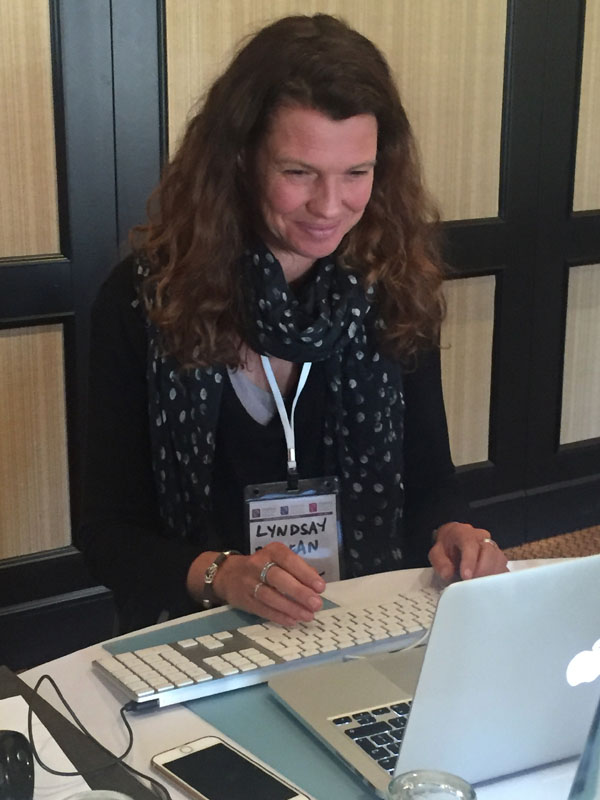
Lyndsay McClean writes a blog
Lyndsay McClean writes a blog
-
Maggie Sandilands + Erin Stern
Maggie Sandilands + Erin Stern
-
Maggie Uwezo Erin
Maggie Uwezo Erin
-
Manuel Contreras
Manuel Contreras
-
Marat Yu + Ruchira Tabassum-Naved
Marat Yu + Ruchira Tabassum-Naved
-
Mohammad Osman Hemat
Mohammad Osman Hemat
-
No Means No Graphic
No Means No Graphic
-
Project Empower post it notes
Project Empower post it notes
-
Project Empower team
Project Empower team
-
Rebecca Ladbury Camera
Rebecca Ladbury Camera
-
Samantha Willan flipchart
Samantha Willan flipchart
-
Samantha Willan outside
Samantha Willan outside
-
Samantha Willan
Samantha Willan
-
Shahribonu Shonasimova
Shahribonu Shonasimova
-
Shehnaaz Munshi + Mzwakhe Khumalo
Shehnaaz Munshi + Mzwakhe Khumalo
-
Sonke Change Trail Graphic
Sonke Change Trail Graphic
-
Team Ma'an in deep discussion
Team Ma'an in deep discussion
-
Team walk to lunch
Team walk to lunch
-
Tearfund Heal Africa post it notes
Tearfund Heal Africa post it notes
-
The OCOF VSO Nepal team
The OCOF VSO Nepal team
-
Tirhani Manganyi Working
Tirhani Manganyi Working
-
Tirhani Manganyi
Tirhani Manganyi
-
Ujamaa
Ujamaa
-
Ujamma post it notes
Ujamma post it notes
-
Ujamma team
Ujamma team
-
VSO Nepal and AKU
VSO Nepal and AKU
-
VSO Nepal post it notes
VSO Nepal post it notes
-
Walking to lunch in deep conversation
Walking to lunch in deep conversation
-
What Works Banner
What Works Banner
-
What Works Graphic
What Works Graphic
-
What Works Social Media
What Works Social Media
-
What Works team 2
What Works team 2
-
What Works team
What Works team
-
What Works
What Works
-
What works support team
What works support team
-
Wits Sonke team
Wits Sonke team
-
Yandisa Sikweyiya + Dumisani Rebombo
Yandisa Sikweyiya + Dumisani Rebombo
-
Yandisa Sikweyiya
Yandisa Sikweyiya
-
Yasmeen Somani + Judith McFarlane in conversation
Yasmeen Somani + Judith McFarlane in conversation
-
Yasmeen Somani
Yasmeen Somani
-
Yasmeen Somani AKU
Yasmeen Somani AKU




https://whatworks.co.za/resources/itemlist/user/615-whatworks?start=310#sigProGalleria31a7aa17aa
3rd Annual Scientific Meeting 5-6 July 2017
-
ASM 2017 Attendees
ASM 2017 Attendees
-
ASM Presentation
ASM Presentation
-
Abed Al Aziz Al Ayed, Maan TV
Abed Al Aziz Al Ayed, Maan TV
-
Adolphina Addo-Lartey, University of Ghana
Adolphina Addo-Lartey, University of Ghana
-
Andy Gibbs, SAMRC expanding
Andy Gibbs, SAMRC expanding
-
Andy Gibbs, SAMRC
Andy Gibbs, SAMRC
-
Angelina Pino and Karuna Onta, DFID
Angelina Pino and Karuna Onta, DFID
-
Ben Omondi, UJAMAA and Gabriel Oguda, AIHD
Ben Omondi, UJAMAA and Gabriel Oguda, AIHD
-
Claudia Garcia-Moreno chairing a panel
Claudia Garcia-Moreno chairing a panel
-
Deda Ogum Alangea, University of Ghana
Deda Ogum Alangea, University of Ghana
-
Dumisani Rebombo, Sonke
Dumisani Rebombo, Sonke
-
Felix Asante, Gender Centre, Ghana
Felix Asante, Gender Centre, Ghana
-
Fiona Clark, DFID, chairing a panel
Fiona Clark, DFID, chairing a panel
-
Geeta Pradhan, VSO Nepal
Geeta Pradhan, VSO Nepal
-
Gina Alvarado, ICRW 2
Gina Alvarado, ICRW 2
-
Gina Alvarado, ICRW and Mary Ellsberg, Global Women's Institute
Gina Alvarado, ICRW and Mary Ellsberg, Global Women's Institute
-
Gina Alvarado, ICRW
Gina Alvarado, ICRW
-
Giulia Ferrari, LSHTM
Giulia Ferrari, LSHTM
-
Glenda Gray, President, SA MRC
Glenda Gray, President, SA MRC
-
Glenda Gray, SAMRC & Jessica Wan, Change Associates
Glenda Gray, SAMRC & Jessica Wan, Change Associates
-
Grace Namata, DFID
Grace Namata, DFID
-
Helen Appleton, What Works Project TA Support
Helen Appleton, What Works Project TA Support
-
Julienne Corboz, TA Support Afghanistan
Julienne Corboz, TA Support Afghanistan
-
Kalliopi Mingeirou, UNWomen and Geeta Pradhan, Nepal
Kalliopi Mingeirou, UNWomen and Geeta Pradhan, Nepal
-
Kristin Dunkle, SAMRC
Kristin Dunkle, SAMRC
-
Laura Murray, John Hopkins University
Laura Murray, John Hopkins University
-
Lisa LeRoux, University of Stellenbosch
Lisa LeRoux, University of Stellenbosch
-
Living With Dignity slide
Living With Dignity slide
-
Lori Heise, LSHTM
Lori Heise, LSHTM
-
Lyndsay McLean, SDD
Lyndsay McLean, SDD
-
Mary Ellsberg, Global Women's Institute
Mary Ellsberg, Global Women's Institute
-
Mendy Marsh, UNICEF
Mendy Marsh, UNICEF
-
Mzwakhe Khumalo, Sonke Gender Justice and Kalliopi Mingeirou, UNWomen
Mzwakhe Khumalo, Sonke Gender Justice and Kalliopi Mingeirou, UNWomen
-
Mzwakhe Khumalo, Nicola Christofides & Shehnaaz Munshi, Sonke Gender Justice & WITS Consortium
Mzwakhe Khumalo, Nicola Christofides & Shehnaaz Munshi, Sonke Gender Justice & WITS Consortium
-
Nata Duvvury, NUI Galway, & Claudia Garcia-Moreno, WHO
Nata Duvvury, NUI Galway, & Claudia Garcia-Moreno, WHO
-
Nata Duvvury, NUI Galway
Nata Duvvury, NUI Galway
-
Nwabisa Shai and Tirhani Manganyi, SAMRC
Nwabisa Shai and Tirhani Manganyi, SAMRC
-
Nwabisa Shai, SAMRC
Nwabisa Shai, SAMRC
-
Panel Discussion at ASM with Ingrid Van Der Heijden, SAMRC
Panel Discussion at ASM with Ingrid Van Der Heijden, SAMRC
-
Panel Members Rozina Karmaliani, Julienne Corboz, Alice Kerr-Wilson, Cari Clark & Deda Ogum Alangea,
Panel Members Rozina Karmaliani, Julienne Corboz, Alice Kerr-Wilson, Cari Clark & Deda Ogum Alangea,
-
Rachel Jewkes SAMRC with Atta Muhammad & Zulfiqar Shaikh
Rachel Jewkes SAMRC with Atta Muhammad & Zulfiqar Shaikh
-
Rachel Jewkes, SAMRC questions the panel
Rachel Jewkes, SAMRC questions the panel
-
Rachel Jewkes, SAMRC
Rachel Jewkes, SAMRC
-
Right To Play Pakistan findings
Right To Play Pakistan findings
-
Role play at the KHPT workshop
Role play at the KHPT workshop
-
Ruchira Naved, ICDDRB
Ruchira Naved, ICDDRB
-
Satyanarayan Naik, KHPT 2
Satyanarayan Naik, KHPT 2
-
Satyanarayan Naik, KHPT
Satyanarayan Naik, KHPT
-
Shahribonu Shonasimova, International Alert
Shahribonu Shonasimova, International Alert
-
Sheena Crawford, IMC Worldwide
Sheena Crawford, IMC Worldwide
-
Sheru Muuo APHRCCAPHRC
Sheru Muuo APHRCCAPHRC
-
Shiv Kumar, IAB
Shiv Kumar, IAB
-
Sonke Change Trial slide
Sonke Change Trial slide
-
Sonke slide - alcohol should not be an excuse
Sonke slide - alcohol should not be an excuse
-
Stacey Scriver, NUI Galway University and Kalliopi Mingeirou UNWomen
Stacey Scriver, NUI Galway University and Kalliopi Mingeirou UNWomen
-
TA Support Afghanistan, Julienne Corboz
TA Support Afghanistan, Julienne Corboz
-
Tim Conway, DFID at KHPT workshop
Tim Conway, DFID at KHPT workshop
-
Tearfund slide
Tearfund slide
-
Tim Conway, DFID questioning the panel
Tim Conway, DFID questioning the panel
-
Tim Conway, DFID
Tim Conway, DFID
-
Tim Hess, International Rescue Committee
Tim Hess, International Rescue Committee
-
Tina Musuya, CEDOVIP with DL Kavitha and Satyanarayana Ramanaik, KHPT
Tina Musuya, CEDOVIP with DL Kavitha and Satyanarayana Ramanaik, KHPT
-
Tirhani Manganyi, SAMRC & Liz Dartnall, SVRI
Tirhani Manganyi, SAMRC & Liz Dartnall, SVRI
-
Workshop with KHPT
Workshop with KHPT


https://whatworks.co.za/resources/itemlist/user/615-whatworks?start=310#sigProGalleria359925b095
What Works Mid-Term Review Now Available Online
The Mid Term Review (MTR) report of the DFID-funded, What Works to Prevent Violence Against Women and Girls programme, is now available to read online. Its evaluation objectives are, to: 1) Evaluate the programme’s performance against the overall programme outputs and outcomes at the mid-term and end of the programme, 2) Assess the quality of the research outputs, as this can impinge significantly on uptake; and 3) Assess the extent to which evidence is being used to a) inform decisions to invest in end-VAWG policies and programmes in the global south and b) to maximise uptake.
What Works to Prevent Violence Research & Innovation Programme - Mid-term and End-term Performance Evaluation

This is the Mid Term Review (MTR) report of the DFID-funded, What Works to Prevent Violence
Against Women and Girls programme. Our evaluation objectives are, to:
- Evaluate the programme’s performance against the overall programme outputs and outcomes at the mid-term and end of the programme;
- Assess the quality of the research outputs, as this can impinge significantly on uptake;
- Assess the extent to which evidence is being used to a) inform decisions to invest in end-VAWG policies and programmes in the global south and b) to maximise uptake.
IMC Worldwide was commissioned, in partnership with the University of Portsmouth (UoP) and CommsConsult, to design and deliver the mid-term (March 2017). Following almost immediately after the September - December 2016 inception phase, the evaluation team began the MTR in late January 2017 and finished on the 10th March 2017. This MTR timeline was very compressed, at the request of DFID, to provide information for DFID’s Annual Review (AR) of the programme.
The core team consists of Dr. Sheena Crawford (Team Leader), Dr Tamsin Bradley (Research Lead, University of Portsmouth (UoP), and Megan Lloyd-Laney (Research Uptake Lead; CommsConsult). Kate Conroy (Evaluation Specialist, IMC Worldwide), Professor Ruth Pearson (Professor Emerita, University of Leeds), and Dr Zara Ramsay (UoP) are additional evaluation team members, and Laura French-Constant (CommsConsult) provided Research Uptake (RU) inputs.


